Workforce & Jobs
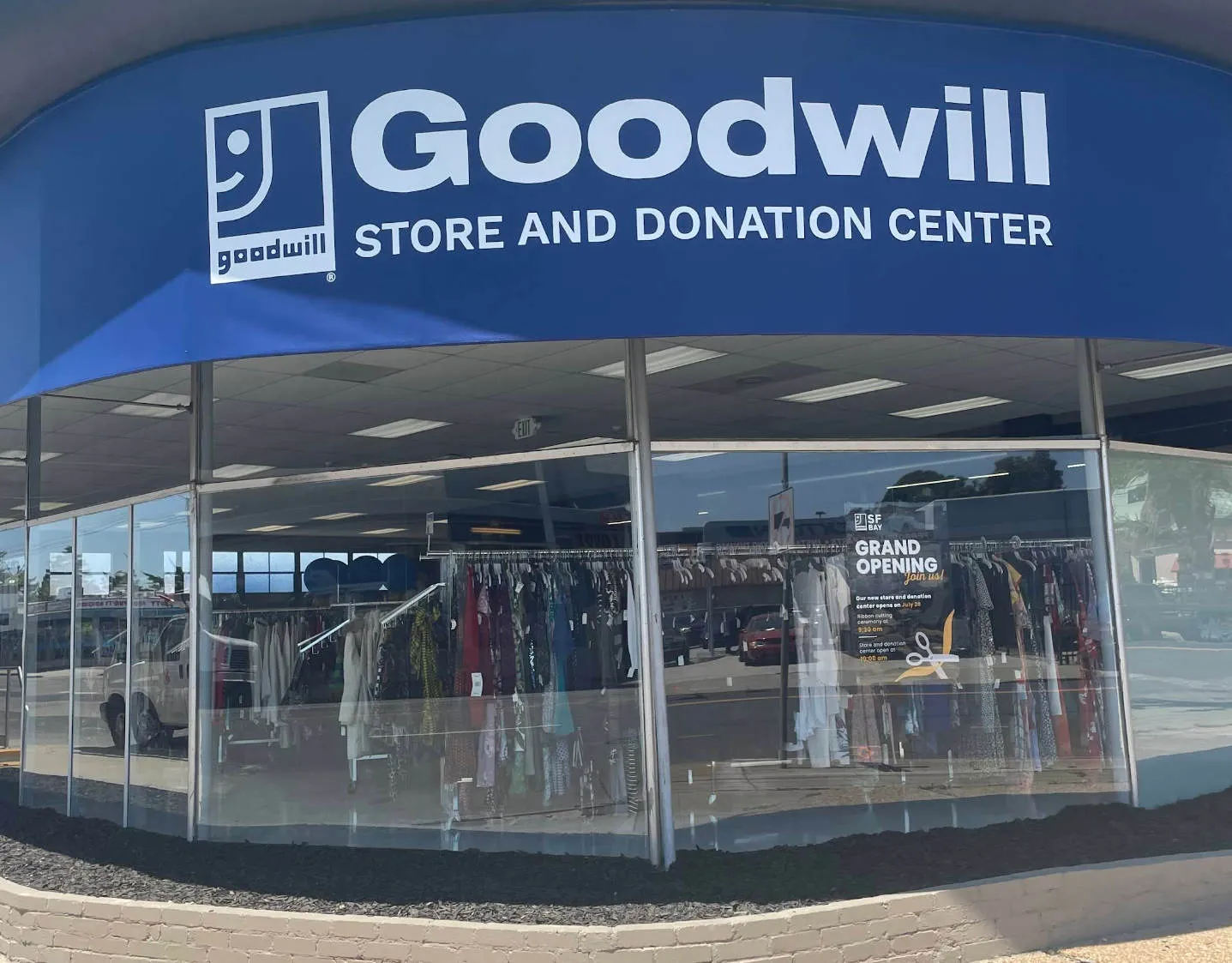
Goodwill
Funds job training and employment placement programs through donated goods and community services.
location_on1000 E Platte Ave, Fort Morgan, CO 80701call(970) 542-8010

Giving real estate sounds complicated. In practice, a Sterling donation is mostly paperwork the receiving charity prepares — a title review, a deed transfer, and a qualified appraisal you arrange to substantiate the deduction.
Logan County
County
13,273
Residents
For many owners a long-held Sterling property has gained far more value than any cash savings — which makes the property itself the most tax-efficient thing to give.
A Sterling property can sit listed for a full season before it closes. A charitable transfer typically wraps in weeks once title review is complete.
Donors who itemize can deduct the full appraised value of Sterling real estate, often the single largest charitable write-off available in a given year.
Turn your property into a second chance at life.
MatchingDonors.com is a 501(c)(3) that connects patients in need of a transplant with living altruistic organ donors — the first organization to facilitate an organ transplant through the internet. Real estate gifts are converted into operating support, helping patients find a match in months instead of years on the national waiting list.
Real estate gifts routed to MatchingDonors.com receive prioritized handling — clear title transfer, fair-market-value appraisal, and a deduction letter inside 60 days. Proceeds fund the matching platform that has connected over 15,000 registered donors with patients in need.
See how much impact your property could make.
Well-known 501(c)(3) charities serving Sterling — local branches plus national organizations that accept real estate.
Funds job training and employment placement programs through donated goods and community services.
Provides shelter, disaster relief, addiction recovery, and food assistance to people in crisis.
Runs youth programs, fitness facilities, and community services that strengthen local neighborhoods.
Builds and repairs affordable homes alongside families working toward stable, long-term homeownership.
Delivers emergency response, blood services, and disaster recovery across the country.
Qualified charities accept far more than single-family homes. Condominiums, multi-family buildings, vacant land, commercial space, and even fractional interests are all candidates for donation in Sterling.
Property with a mortgage, title complications, or deferred maintenance can still qualify — those details are worked out during the review stage, not before.
A transparent, four-step process ensures a smooth transition from property to philanthropy. (The exact process may differ between organizations, these are the general phases)
Your charity will conduct a preliminary assessment of your property's market value and suitability for donation.
Their experts handle title searches, environmental checks, and prepare all necessary transfer paperwork.
The property is officially transferred to the charity. You receive IRS Form 8283 for tax deduction purposes.
The property is sold and proceeds are distributed to your chosen charity to fund their mission.
Most giving happens in cash, but cash is rarely a donor's most appreciated asset. Across Logan County, a long-held home can represent decades of untaxed appreciation that a cash gift will never match.
Donating that property directly — rather than selling it and giving the proceeds — keeps the capital gains tax out of the equation entirely and routes the full value to the cause you choose.
Straight answers on donating real estate, the tax treatment, and what to expect.
Typically nothing out of pocket. The receiving charity generally covers title work, closing, and related costs, and there are no agent commissions on a donation.
Yes. You select the cause that fits your intent. We can also route your gift to a featured partner organization equipped to handle real estate efficiently.
Form 8283 is the IRS form for reporting noncash charitable contributions. A real estate gift is reported in its Section B, signed by both the appraiser and the receiving charity, and filed with your return for the year of the donation.
Residential homes, vacant land, commercial buildings, and multi-family properties can all qualify. Condition and title issues are addressed during review rather than disqualifying a property upfront.
A charitable deduction only lowers your taxes if you itemize. If you take the standard deduction, a property gift still avoids capital gains and ends the carrying costs, but the charitable write-off itself would not apply — your tax advisor can weigh this for your situation.
The deduction applies to the tax year in which the title transfer is completed. Donors aiming to claim it in a particular year often start early enough to leave room for the appraisal and title review before December 31.
Find vetted real-estate-accepting charities elsewhere in the country.