Workforce & Jobs
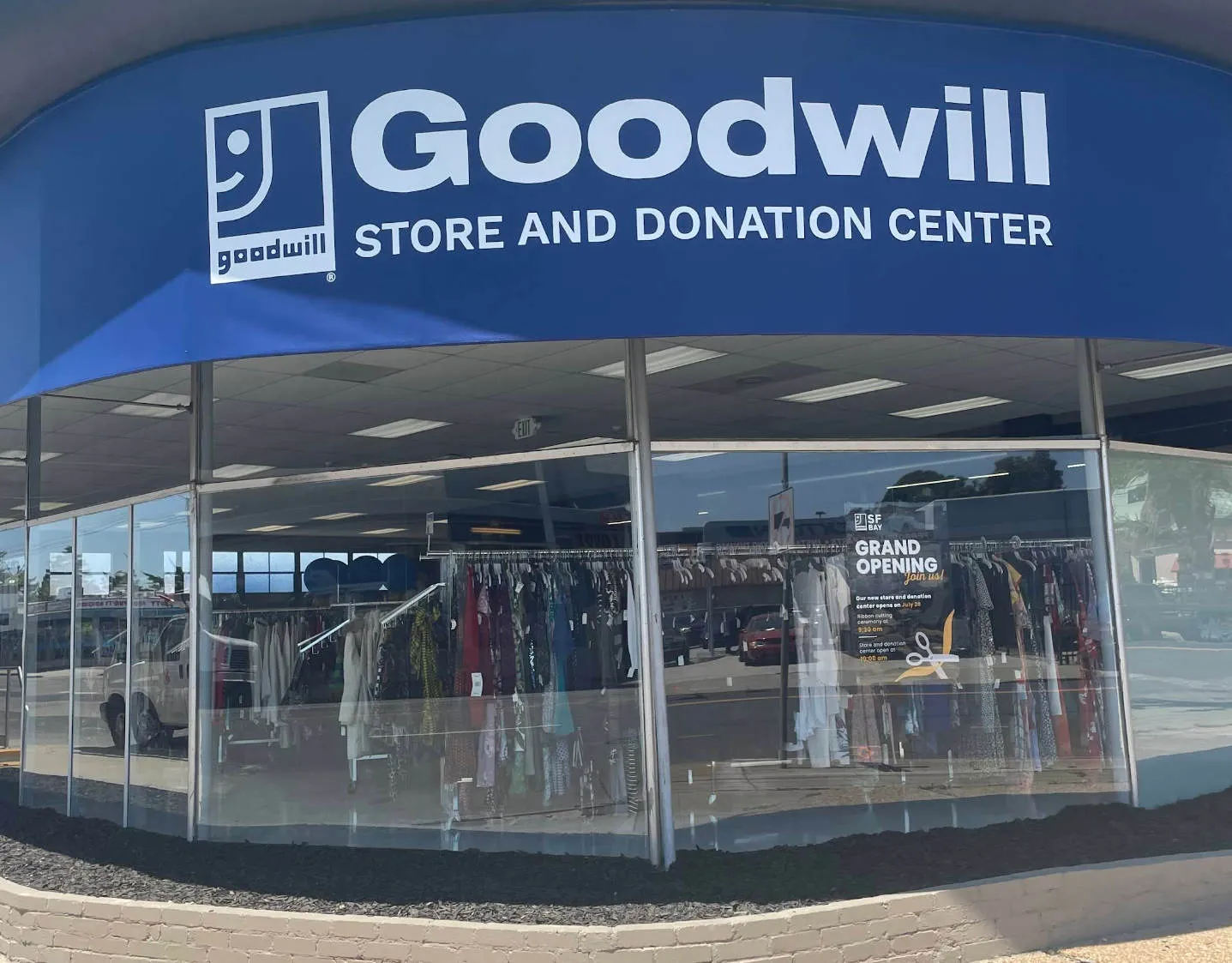
Goodwill
Funds job training and employment placement programs through donated goods and community services.
location_on2750 E Main St, St. Charles, IL 60174call(630) 513-5681

Whether it is an inherited house, a vacant lot, or a rental you are tired of running, St. Charles property can become a meaningful charitable gift — and one of the largest deductions available in the tax code.
Kane County
County
32,733
Residents
A St. Charles property can sit listed for a full season before it closes. A charitable transfer typically wraps in weeks once title review is complete.
Vacant homes, inherited houses, and tired rentals carry taxes, insurance, and upkeep. Donating a St. Charles property ends the carrying costs in one step.
A property donation in St. Charles skips the public listing, the open houses, and the price history that a sale leaves on the record.
Turn your property into a second chance at life.
MatchingDonors.com is a 501(c)(3) that connects patients in need of a transplant with living altruistic organ donors — the first organization to facilitate an organ transplant through the internet. Real estate gifts are converted into operating support, helping patients find a match in months instead of years on the national waiting list.
Real estate gifts routed to MatchingDonors.com receive prioritized handling — clear title transfer, fair-market-value appraisal, and a deduction letter inside 60 days. Proceeds fund the matching platform that has connected over 15,000 registered donors with patients in need.
See how much impact your property could make.
Well-known 501(c)(3) charities serving St. Charles — local branches plus national organizations that accept real estate.
Funds job training and employment placement programs through donated goods and community services.
Provides shelter, disaster relief, addiction recovery, and food assistance to people in crisis.
Offers food, housing assistance, and direct aid to neighbors facing poverty and hardship.
Builds and repairs affordable homes alongside families working toward stable, long-term homeownership.
Delivers emergency response, blood services, and disaster recovery across the country.
Most giving happens in cash, but cash is rarely a donor's most appreciated asset. Across Kane County, a long-held home can represent decades of untaxed appreciation that a cash gift will never match.
Donating that property directly — rather than selling it and giving the proceeds — keeps the capital gains tax out of the equation entirely and routes the full value to the cause you choose.
A transparent, four-step process ensures a smooth transition from property to philanthropy. (The exact process may differ between organizations, these are the general phases)
Your charity will conduct a preliminary assessment of your property's market value and suitability for donation.
Their experts handle title searches, environmental checks, and prepare all necessary transfer paperwork.
The property is officially transferred to the charity. You receive IRS Form 8283 for tax deduction purposes.
The property is sold and proceeds are distributed to your chosen charity to fund their mission.
Qualified charities accept far more than single-family homes. Condominiums, multi-family buildings, vacant land, commercial space, and even fractional interests are all candidates for donation in St. Charles.
Property with a mortgage, title complications, or deferred maintenance can still qualify — those details are worked out during the review stage, not before.
Straight answers on donating real estate, the tax treatment, and what to expect.
Yes, it is a good idea. The information here is general, and a tax professional can confirm how a property gift affects your specific deduction, income, and filing situation. The receiving charity handles the transaction, but the tax planning is yours.
Selling first triggers capital gains tax and sale costs, shrinking the amount left to give and to deduct. Donating the property directly skips the gain entirely and bases the deduction on full fair market value — usually the more efficient route for appreciated St. Charles real estate.
Yes. A gift of real property to a qualified 501(c)(3) is generally deductible at fair market value if you itemize and have held the property more than a year. A qualified appraisal and IRS Form 8283 document the deduction.
No. A valuation request is informational and carries no cost or obligation. You can review the estimate and decide whether a donation makes sense for you.
Residential homes, vacant land, commercial buildings, and multi-family properties can all qualify. Condition and title issues are addressed during review rather than disqualifying a property upfront.
It depends on the organization. Some charities sell donated real estate and direct the proceeds to their programs; others may put a property to use directly. The receiving charity can explain its intended use before you complete the gift.
Find vetted real-estate-accepting charities elsewhere in the country.