Housing & Urban Development
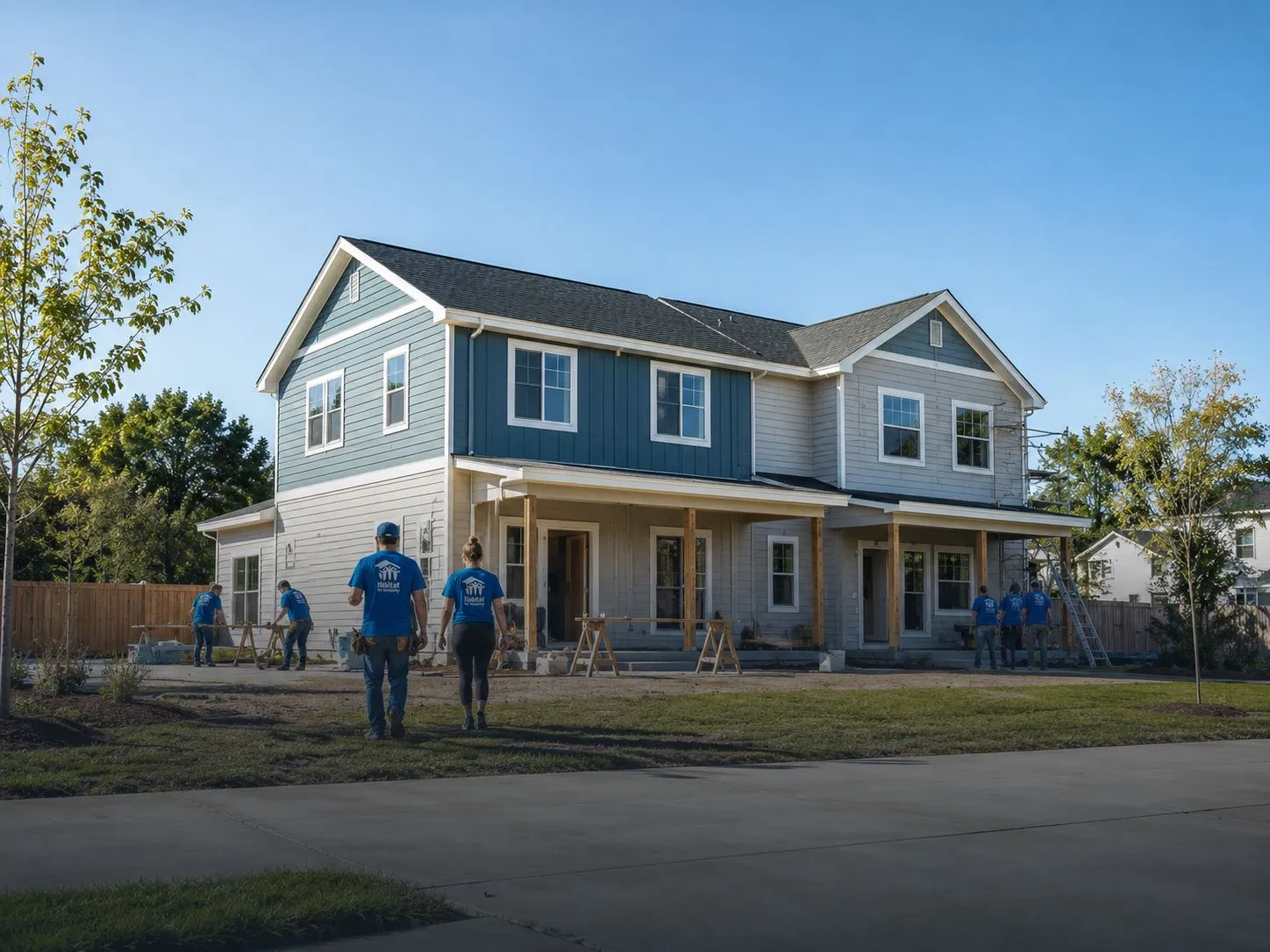
Habitat for Humanity International
Builds affordable homes alongside families in need across all 50 states and 70+ countries.

The hardest part of giving away Hamilton County real estate is usually deciding to. The receiving charity manages the title search, the deed, and the closing, leaving you with the appraisal and a deduction letter.
1
City or Town
7,769
Residents
Proceeds from your gift fund real programs — housing, youth services, food security — operating in and around Hamilton County.
Vacant homes, inherited houses, and tired rentals carry taxes, insurance, and upkeep. Donating a Hamilton County property ends the carrying costs in one step.
A Hamilton County sale generates a stack of settlement paperwork. A donation produces a single qualified appraisal and a charity acknowledgment letter — the two documents that substantiate the gift at tax time.
Turn your property into a second chance at life.
MatchingDonors.com is a 501(c)(3) that connects patients in need of a transplant with living altruistic organ donors — the first organization to facilitate an organ transplant through the internet. Real estate gifts are converted into operating support, helping patients find a match in months instead of years on the national waiting list.
Real estate gifts routed to MatchingDonors.com receive prioritized handling — clear title transfer, fair-market-value appraisal, and a deduction letter inside 60 days. Proceeds fund the matching platform that has connected over 15,000 registered donors with patients in need.
See how much impact your property could make.
Vetted 501(c)(3) charities ready to accept real estate proceeds from donors across Hamilton County and the rest of Iowa.
Builds affordable homes alongside families in need across all 50 states and 70+ countries.
Protects ecologically important lands and waters across the United States and globally.
Provides mentorship, after-school programs, and safe spaces for young people nationwide.
The largest U.S. hunger-relief network, sourcing food for 200 member food banks.
Delivers humanitarian aid, blood donation, and disaster recovery across the country.
Choose a city in Hamilton County to see local charities that accept real estate donations.
Donors who itemize can generally deduct the fair market value of Hamilton County real estate held longer than a year, up to 30% of adjusted gross income, with a five-year carryforward for any excess.
A qualified appraisal and IRS Form 8283 substantiate the deduction. This is general information, not tax advice — confirm the specifics with your own advisor.
A transparent, four-step process ensures a smooth transition from property to philanthropy. (The exact process may differ between organizations, these are the general phases)
Your charity will conduct a preliminary assessment of your property's market value and suitability for donation.
Their experts handle title searches, environmental checks, and prepare all necessary transfer paperwork.
The property is officially transferred to the charity. You receive IRS Form 8283 for tax deduction purposes.
The property is sold and proceeds are distributed to your chosen charity to fund their mission.
Straight answers on donating real estate, the tax treatment, and what to expect.
The deduction for real estate is generally capped at 30% of adjusted gross income in the year of the gift, but any excess carries forward for up to five additional years.
Begin with the form on this page: provide a few basic details about the Hamilton County property and request a free valuation. From there you are connected with a qualified 501(c)(3) that handles the appraisal, title transfer, and closing directly with you.
When the mortgage exceeds the property's value, a donation gets complicated and the usual deduction may not apply. The receiving charity reviews the loan balance early on so you know where you stand before committing.
Yes. Undeveloped land, empty lots, and parcels around Hamilton County are all eligible. Land is often a strong candidate to donate because it produces no income while still generating a property tax bill.
It depends on the organization. Some charities sell donated real estate and direct the proceeds to their programs; others may put a property to use directly. The receiving charity can explain its intended use before you complete the gift.
Browse charities that accept real estate donations elsewhere in the state.