Housing & Urban Development
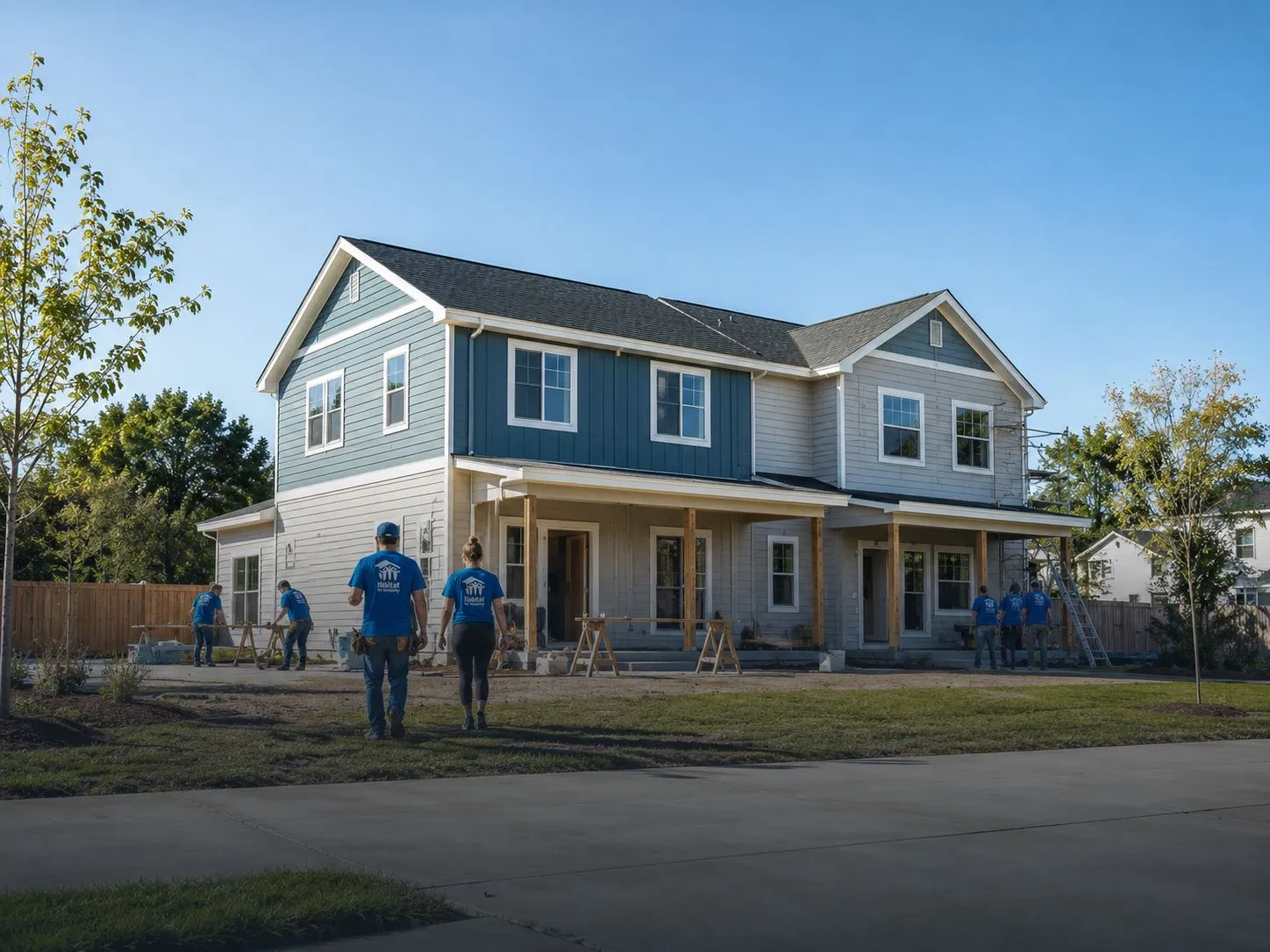
Habitat for Humanity International
Builds affordable homes alongside families in need across all 50 states and 70+ countries.

Charitable real estate gifts quietly fund some of the most important work across Prince William County. Your Prince William County property can join that effort while delivering one of the largest deductions available in the tax code.
16
Cities & Towns
372,171
Residents
A Prince William County property can sit listed for a full season before it closes. A charitable transfer typically wraps in weeks once title review is complete.
A property donation in Prince William County skips the public listing, the open houses, and the price history that a sale leaves on the record.
A Prince William County sale generates a stack of settlement paperwork. A donation produces a single qualified appraisal and a charity acknowledgment letter — the two documents that substantiate the gift at tax time.
Turn your property into a second chance at life.
MatchingDonors.com is a 501(c)(3) that connects patients in need of a transplant with living altruistic organ donors — the first organization to facilitate an organ transplant through the internet. Real estate gifts are converted into operating support, helping patients find a match in months instead of years on the national waiting list.
Real estate gifts routed to MatchingDonors.com receive prioritized handling — clear title transfer, fair-market-value appraisal, and a deduction letter inside 60 days. Proceeds fund the matching platform that has connected over 15,000 registered donors with patients in need.
See how much impact your property could make.
Vetted 501(c)(3) charities ready to accept real estate proceeds from donors across Prince William County and the rest of Virginia.
Builds affordable homes alongside families in need across all 50 states and 70+ countries.
Protects ecologically important lands and waters across the United States and globally.
Provides mentorship, after-school programs, and safe spaces for young people nationwide.
The largest U.S. hunger-relief network, sourcing food for 200 member food banks.
Delivers humanitarian aid, blood donation, and disaster recovery across the country.
Choose a city in Prince William County to see local charities that accept real estate donations.
Income property comes with a workload — tenants, repairs, vacancies, and the bookkeeping that follows. When a Prince William County owner is ready to step back, a sale can mean capital gains tax plus depreciation recapture.
Donating the building instead routes its full value to charity and ends the management role in a single transfer. Existing leases and the property's condition are reviewed by the receiving charity during assessment.
A transparent, four-step process ensures a smooth transition from property to philanthropy. (The exact process may differ between organizations, these are the general phases)
Your charity will conduct a preliminary assessment of your property's market value and suitability for donation.
Their experts handle title searches, environmental checks, and prepare all necessary transfer paperwork.
The property is officially transferred to the charity. You receive IRS Form 8283 for tax deduction purposes.
The property is sold and proceeds are distributed to your chosen charity to fund their mission.
Straight answers on donating real estate, the tax treatment, and what to expect.
Yes. A gift of real property to a qualified 501(c)(3) is generally deductible at fair market value if you itemize and have held the property more than a year. A qualified appraisal and IRS Form 8283 document the deduction.
Yes, it is a good idea. The information here is general, and a tax professional can confirm how a property gift affects your specific deduction, income, and filing situation. The receiving charity handles the transaction, but the tax planning is yours.
Often yes, though a mortgage adds complexity and can affect the deduction. The charity will review the outstanding loan balance during the assessment stage.
For property held more than a year and given to a public charity, the deduction is generally the fair market value set by a qualified appraisal. The actual tax savings depend on your appraised value, income, and filing situation, so confirm the figure with your tax advisor.
Yes. Farmland, ranch land, and other agricultural property can be donated like any other real estate. Acreage with crops, leases, or water rights is reviewed by the receiving charity during assessment.
Browse charities that accept real estate donations elsewhere in the state.